

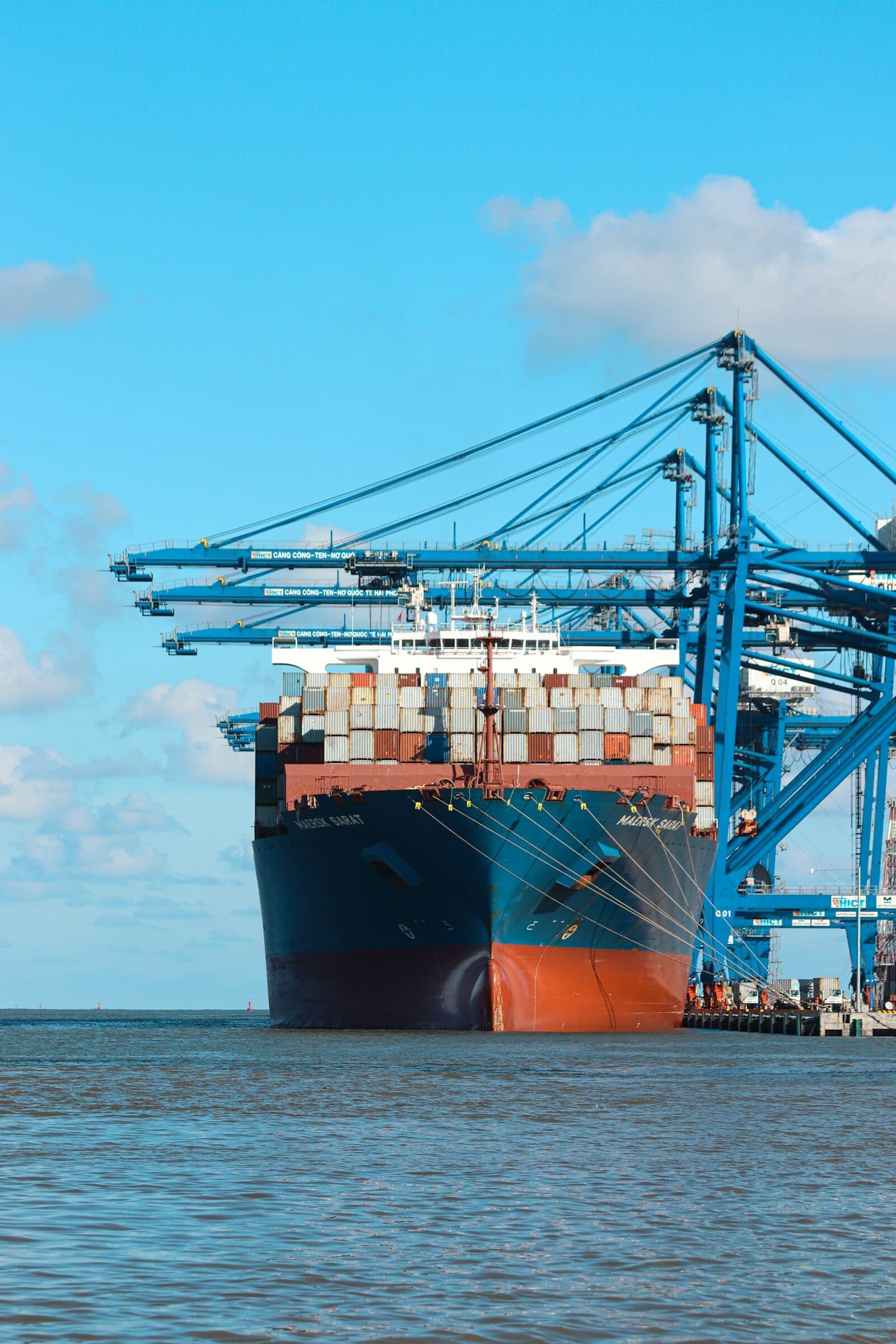
The Port of Charleston handled over 2.8 million TEUs (twenty-foot equivalent units) in the last reported year — making it the third largest container port on the East Coast. Every one of those containers, on the inbound side, has to leave the port on a truck. Drayage carriers do that first leg. After that, regional carriers like Alpha Transit pick up the next part of the journey.
If you ship through the Port of Charleston, this is the working map of who does what.
The terminals. The South Carolina Ports Authority operates three main facilities for container freight:
Wando Welch Terminal (Mt. Pleasant) — the largest container terminal, handling the majority of vessel traffic.
Hugh K. Leatherman Terminal (North Charleston) — newer terminal opened to add capacity to the Charleston complex.
North Charleston Terminal — handles smaller container traffic and some specialty cargo.
Each terminal has its own gate hours, appointment system, and trucking access. Drayage carriers know which terminal your container is at; you should know it too, because it affects what time the container can be picked up and routed.
The drayage layer. Drayage is the short-haul movement of a container from the port terminal to a nearby destination — typically a warehouse, a cross-dock, a customer's distribution center within ~250 miles, or a rail head. Drayage carriers are specialized:
Licensed for port access (TWIC cards for drivers, UIIA agreements with chassis providers).
Equipped with the chassis (the wheeled frame that carries the container).
Operating on the port's appointment system.
For most Lowcountry shippers receiving an inbound container, the drayage carrier hauls the container from the terminal to a nearby cross-dock or warehouse — often within a 30-mile radius of Charleston.
Where regional carriers like Alpha Transit pick up the work.
De-consolidation. The container arrives at a cross-dock and is unloaded into pallets, parcels, or individual SKUs destined for different customers. A regional carrier like Alpha Transit then picks up the de-consolidated freight and delivers it to retail stores, manufacturing customers, or distribution centers across the region.
Last-mile after de-stuff. The container of consumer goods arriving from overseas lands at the cross-dock, gets unloaded into pallets of inventory, and a regional Sprinter operation distributes those pallets to retail stores across SC, NC, and GA over the next several days.
Document courier between freight forwarders and customs brokers. The paperwork on a container — bills of lading, customs entries, container release orders — frequently moves by courier between offices clustered around the port. A same-day courier service in Charleston routinely handles this kind of run.
Driver shuttle and crew support. Some shipping operations need supplemental driver shuttle, parts runs, or operational support that the dedicated drayage carrier does not provide. Regional carriers fill that gap.
The handoff to over-the-road. Once cargo leaves the Charleston port region — heading to Atlanta, Charlotte, Raleigh, or further — it transitions from regional carriers to over-the-road trucking. Those long-haul carriers pick up at the cross-dock or warehouse and run the corridor.
Why this matters for shippers.
A shipper importing through Charleston for the first time often assumes "the freight carrier will handle it." It is more nuanced than that. The freight forwarder coordinates ocean transit. The drayage carrier handles the port-to-cross-dock leg. A regional or last-mile carrier handles the cross-dock-to-customer leg. Each layer has its own pricing, scheduling, and accountability.
The shipper who knows the layers can:
Negotiate each layer separately rather than accepting one bundled price.
Reduce demurrage and detention fees by understanding terminal appointment windows and chassis availability.
Know which layer to call when something goes wrong — a missed delivery is usually a last-mile problem, not a drayage problem.
Build a vendor list with backup carriers at each layer, so a single failure does not stop the flow.
For importers, exporters, freight forwarders, and customs brokers working through the Port of Charleston, Alpha Transit handles the last-mile, courier, and regional distribution layers — what happens after the container is de-stuffed at the cross-dock. We do not run drayage ourselves, but we work with most of the licensed drayage carriers in the Charleston area and can help coordinate the handoff.
Call dispatch at 843-580-1667 if you have a port-related shipment that needs to move once it leaves the terminal.